













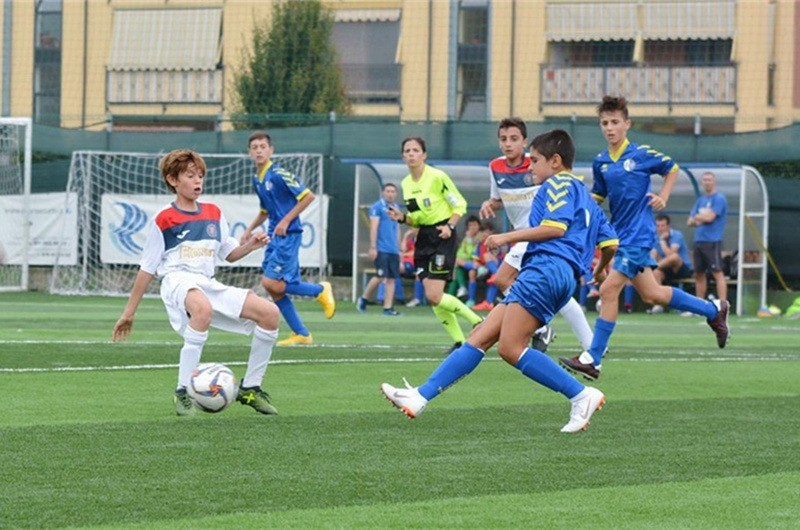
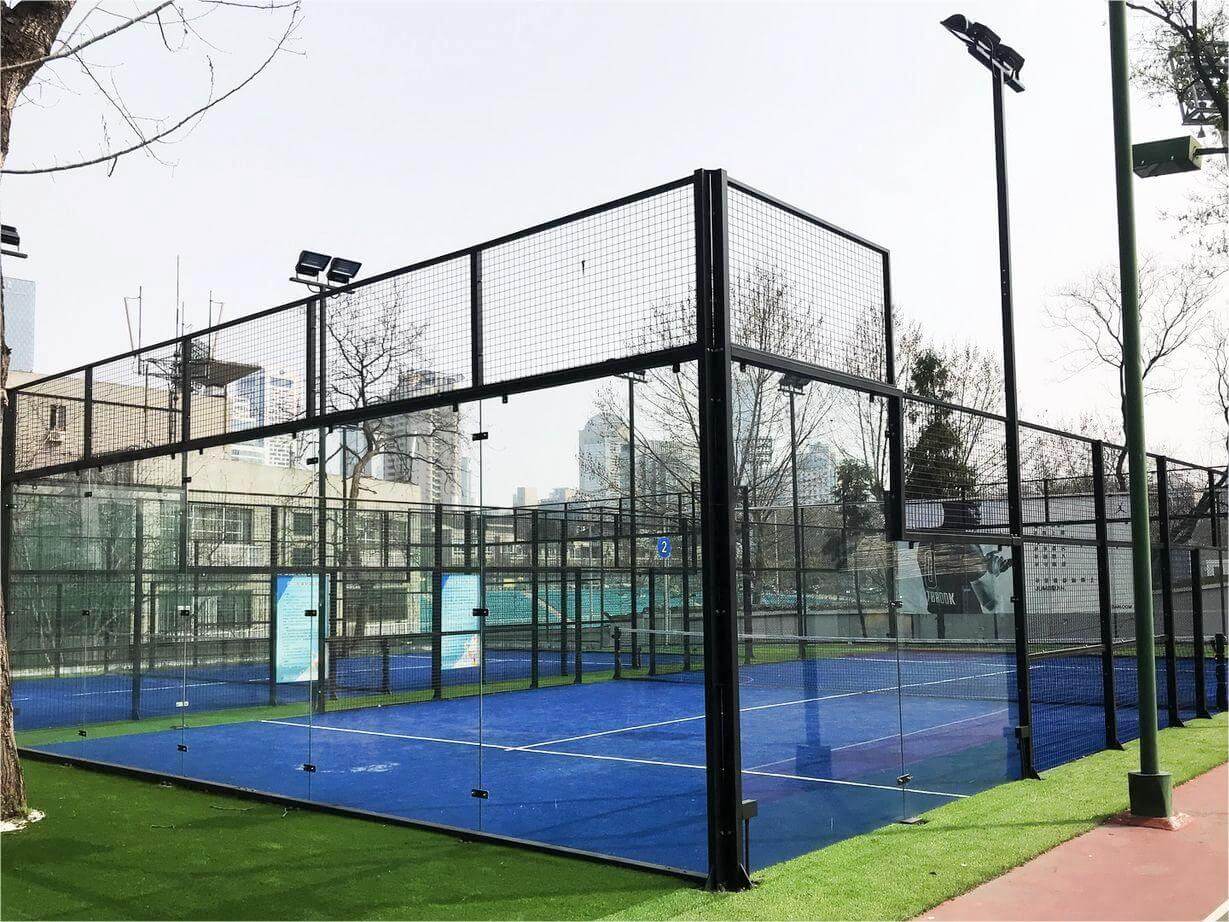
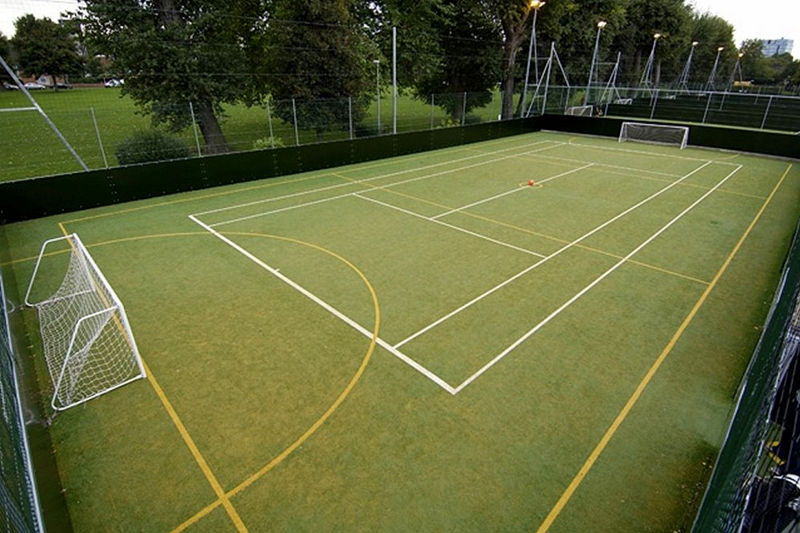

Artificial grass surfaces have gained significant interest in rugby and football due to their ability to closely mimic the qualities of natural grass. These advanced surfaces, known as long piles or third-generation artificial grass, feature a longer pile height and are typically filled with a combination of rubber and sand.
International governing bodies, including rugby union and football associations, have recognized the impressive qualities of these new-generation artificial grass surfaces. As a result, they have revised their regulations to allow the use of artificial grass pitches in official competitions.
To ensure that these pitches meet the desired standards and prioritize player safety, specific performance requirements have been established. The IRB Performance Specification for Artificial Turf Surfaces for Rugby, also known as ‘IRB Regulation 22’, and the FIFA Quality Concept for Artificial Turf Surfaces outline the standards that artificial grass pitches must adhere to.
However, many artificial grass pitches are designed for multi-sport use, which can sometimes lead to compromises in the surface characteristics. To address this, the Irish Rugby Football Union (IRFU) has developed a performance standard and guide specifically for multi-use artificial grass pitches. This standard builds upon the requirements set by the IRB and FIFA, catering to the diverse nature of these pitches. It covers essential performance aspects, such as player-surface interaction and ball-surface interaction, while also specifying durability and construction requirements for artificial grass surfacing. Furthermore, it offers guidelines for the design and construction of these pitches. By meeting this standard, artificial grass surfaces and pitches will also satisfy the requirements of IRB Regulation 22.
By embracing artificial grass technology and adhering to these comprehensive standards, the rugby and football communities can provide an optimal playing experience that enhances performance and prioritizes safety on the field.