


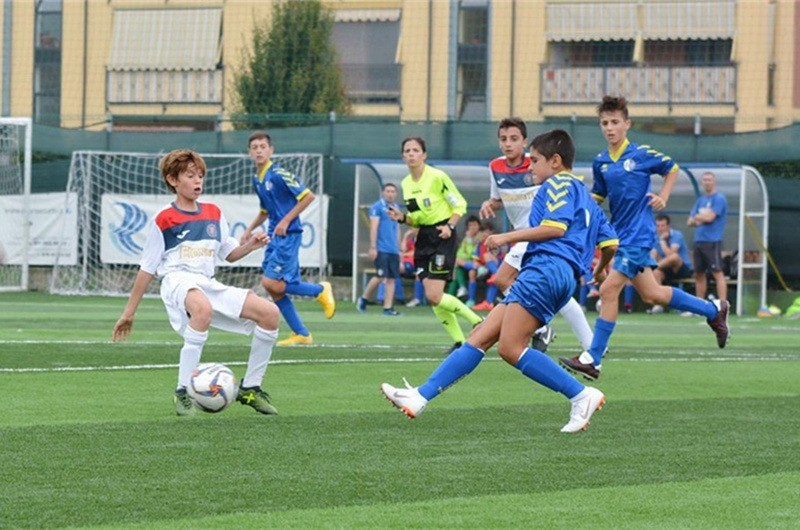
Artificial turf has transformed the world of football by providing durability, low maintenance requirements, and consistent playing conditions. Recognizing the importance of standardized quality and player safety, FIFA developed the FIFA Quality Concept for Football Turf. This article explores the rigorous requirements for certifying football fields, the standards set for football turf, and the significance of FIFA certification for the overall football field system. Additionally, we highlight how Arturf Football Field meets FIFA’s stringent standards, ensuring optimal playing conditions for footballers.
FIFA’s Requirements to Certify a Football Field
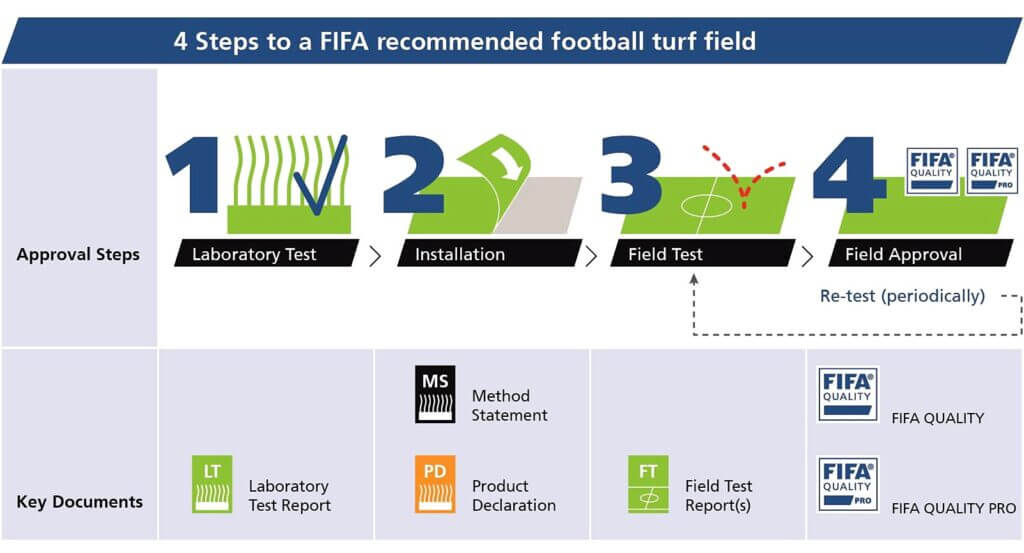
FIFA has established stringent requirements for certifying football fields to ensure consistent quality and safety in artificial turf installations. The FIFA Quality Program for Football Turf focuses on evaluating the performance and quality of the entire field system, rather than individual products. The certification process involves four key steps: laboratory testing, installation procedures, initial field assessment, and ongoing monitoring. These steps guarantee that the football turf meets FIFA’s performance and quality criteria, providing the best possible playing conditions.
FIFA Standard Football Turf
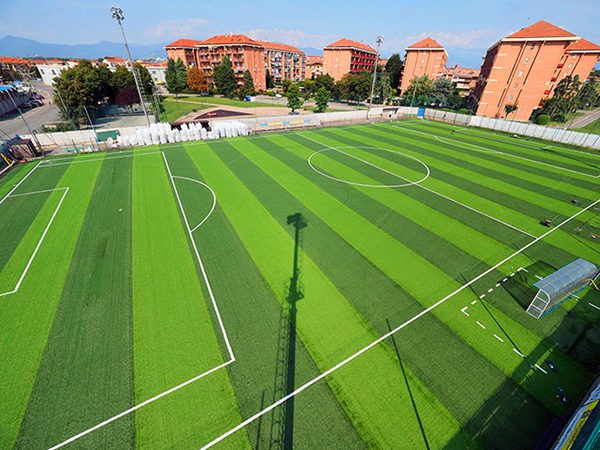
FIFA aims to ensure that certified football pitches offer players the advantages of natural turf, combined with superior comfort, safety, and durability. Only artificial turf systems that meet the highest technical standards and provide optimal playing characteristics qualify for FIFA certification. The FIFA Quality Concept merges the benefits of natural grass with the advantages of artificial turf, including reduced maintenance requirements and extended pitch usage.
FIFA Certificate for the Football Field System
FIFA’s certification is not limited to the football turf alone but encompasses the entire football field system. This holistic approach ensures that the playing surface, underlayers, and overall installation meet FIFA’s rigorous standards. By certifying the complete system, FIFA guarantees a consistent and reliable playing experience for footballers worldwide, enhancing the quality and safety of the game.
Arturf Football Field Meets FIFA Standards
As a leading artificial turf manufacturer in China, Arturf Football Field prides itself on meeting FIFA’s demanding requirements for football turf. While we have not sought FIFA certification for specific football field projects, our featured football turf has undergone comprehensive testing by Labosport, a renowned sports field testing and certification company accredited by FIFA. By adhering to FIFA’s guidelines and utilizing high-quality materials, Arturf Football Field delivers a playing surface that ensures optimal performance, player safety, and durability.
Conclusion
The FIFA Quality Concept for Football Turf plays a pivotal role in standardizing the quality and safety of artificial turf used in football fields worldwide. Through certification of the complete football field system, FIFA ensures that players can enjoy consistent and superior playing conditions. Arturf Football Field stands as a testament to meeting FIFA’s stringent standards, providing footballers with an exceptional playing experience. As advancements in football turf technology continue, FIFA’s unwavering commitment to quality and safety fosters the development of the sport and promotes the use of artificial surfaces in suitable environments.