












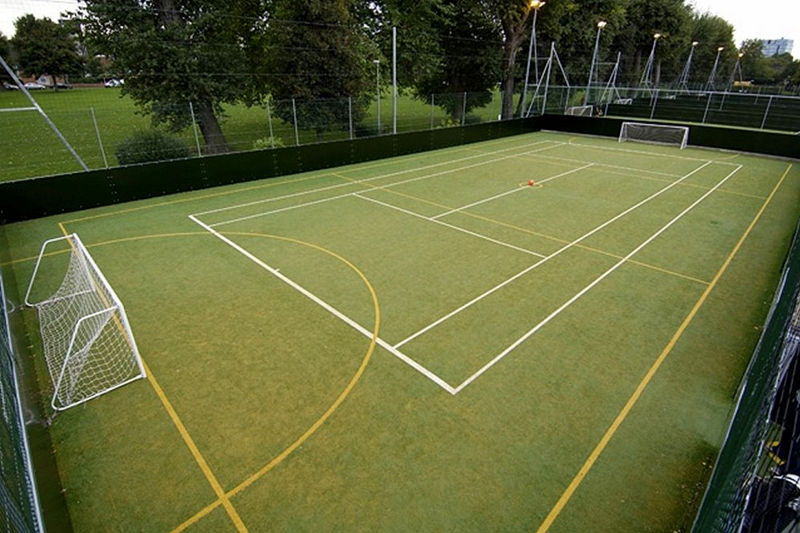
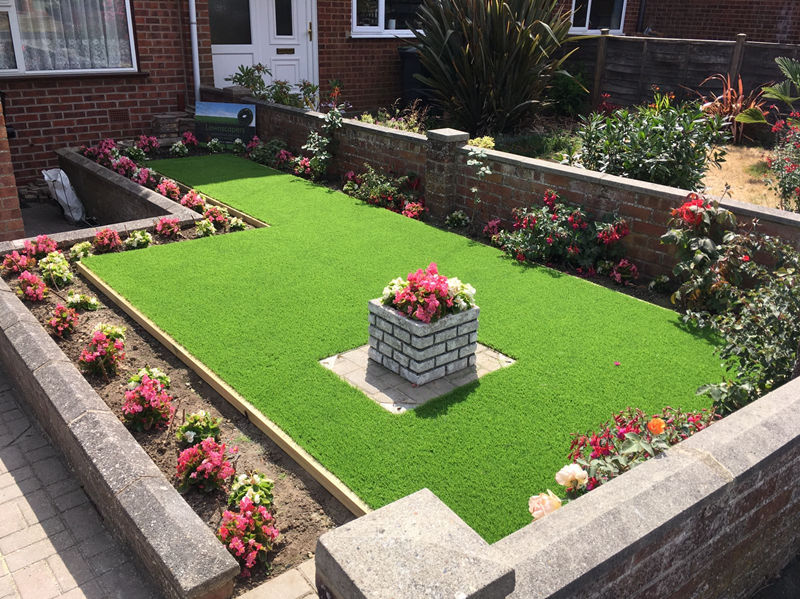
When decorate your lawn with artificial turf and synthetic grass, we suggestion you follow the undermentioned steps:
1. Measure the area to make sure how large of artificial grass you will need.
Note: Generally speaking. We munufacture the rolls 4 meters in width. We can cut it into 2 meters width if needed.
2. Remove any dirt, grass, gravel, sod or other materials to leave artificial turf area clear from obstructions. If the area is not so big, you can do it by hand, or using some machines for larger areas.
3. Compact the ground, using a vibrating plate which can be hired at an equipment hire centre.
Note:May be you need to use a hand tamper to compact any areas that were not compacted by the vibrating plate compactor on the artificial grass&synthetic turf area.
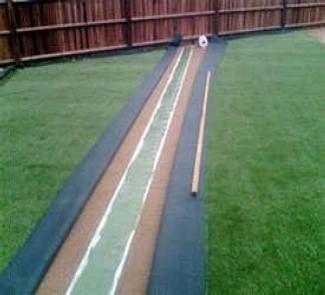
4. Apply a geo-textile weed barrier to the base to stop any weeds from coming up through the drainage perforations in the synthetic turf& artificial grass (weeds are very sneaky).
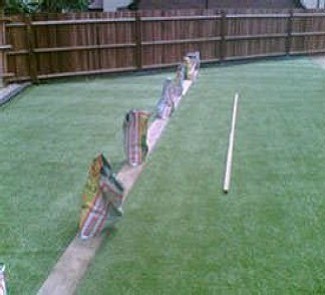
5. Lay the sub base. This material is designed to level the area. Typically a 6mm stone aggregate is used (exactly what landscapers use under paving bricks). Between 25mm should be enough. This can also be a good point to stop and put in place timber edging if you plan to use that – eg. an edge board (tanalised timber & wooden pegs). Ensure it’s not higher than the final grass line, otherwise water run-off will be hindered.
6. Spread and compact the sub base. Ideally use the vibrating plate mentioned in point 3.
7. Lay the base material – a fine layer of sand with less than 6mm depth should suffice.
Note: Ideally there should be a very slight slope on the base.
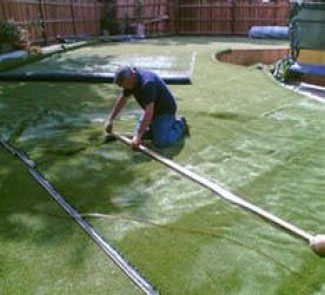
8. Lay the artificial grass on top of the sand(Crushed stone) (as opposed to dragging it onto the base material) and leave for around 2 to 3 hours to settle. This helps stop any wrinkling or creasing.
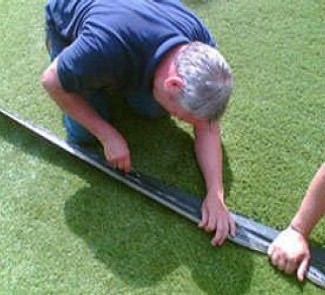
9. Cut and trim your artificial grass, using a sharp Stanley Knife.
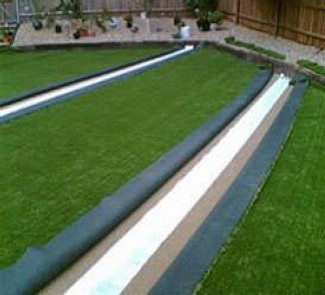
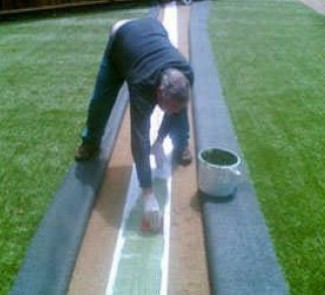
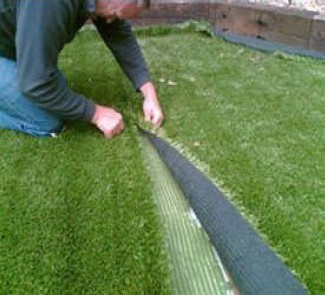
10. Make the joins using the correct type of seaming tape and glue – only quality outdoor tape and glue should be used. We recommend you purchase this from us when placing your order.
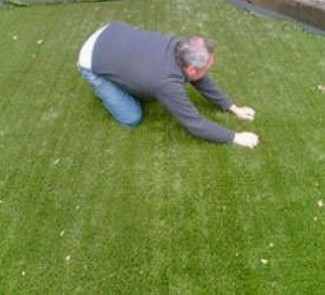
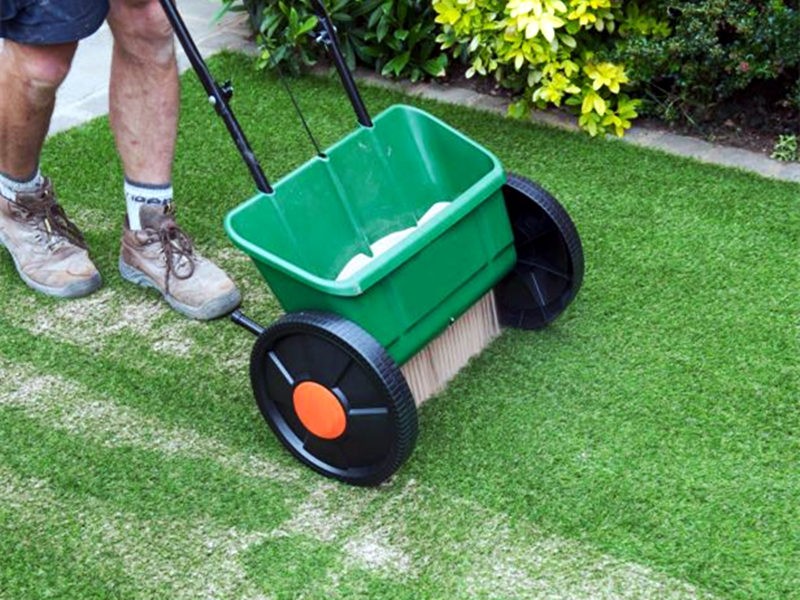
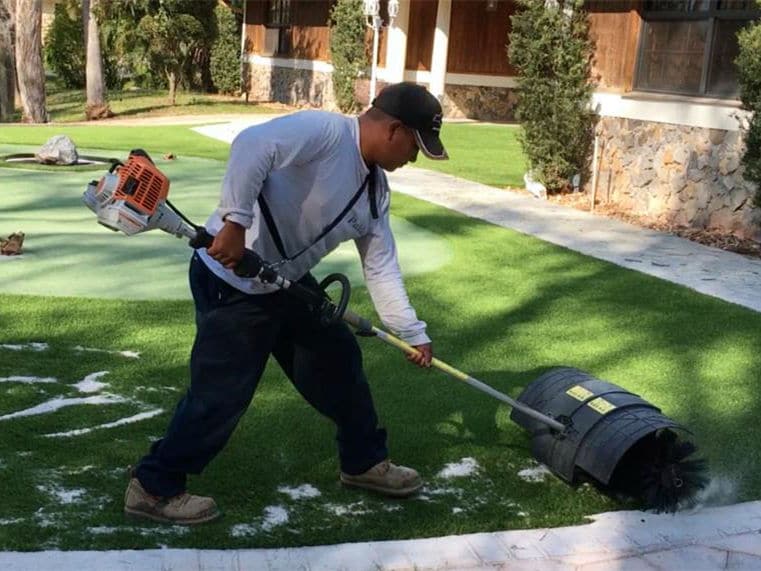
11. Apply the infill as specified. Typically a sand mix will be used. Rake and spread the infill evenly, taking care not to over fill the surface. Note: Application of sand is best on a dry day. Remember that the infill will eventually compact so you should consider adding a final layer when settled.
12. Apply any natural stone, paving or log roll edgings you’ve selected. If you’ve chosen not to use edgings, then apply landscaping nails every 50mm or so.
The installation of synthetic turf is not difficult, it’s actually pretty simple, as most construction projects prove to be when done with some planning and thought.
Paying attention to finer details, such as your drainage needs, base material installation and area preparation and this will help insure you can enjoy your artificial turf lawn area for a very long time.